

News
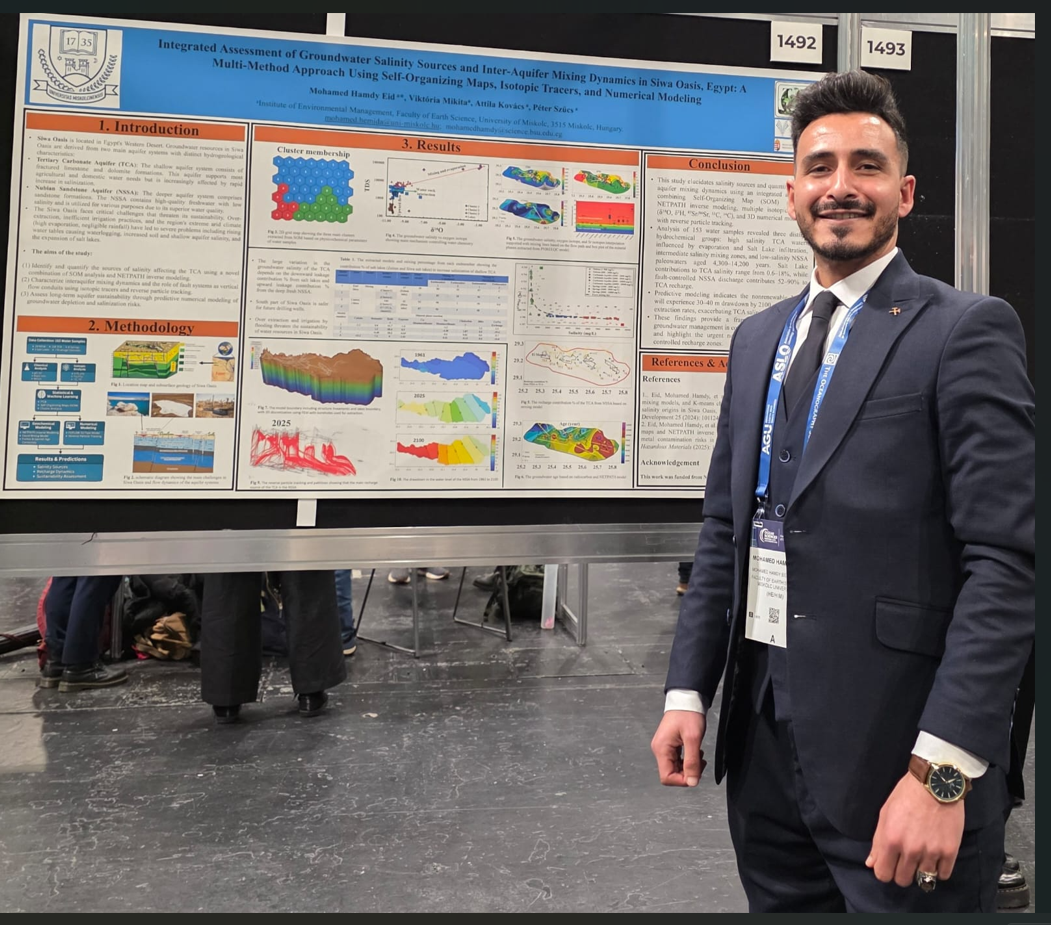
University of Miskolc Researchers Develop Innovative Framework for Sustainable Groundwater Management in Egypt’s Siwa Oasis
Researchers from the University of Miskolc, in collaboration with partners from Egypt and Hungary, have published a innovative study in the prestigious Hydrogeology Journal (Q1 Journal), presenting an innovative approach to understanding groundwater salinization and aquifer sustainability in Egypt’s Siwa Oasis, one of the country’s most important agricultural regions.
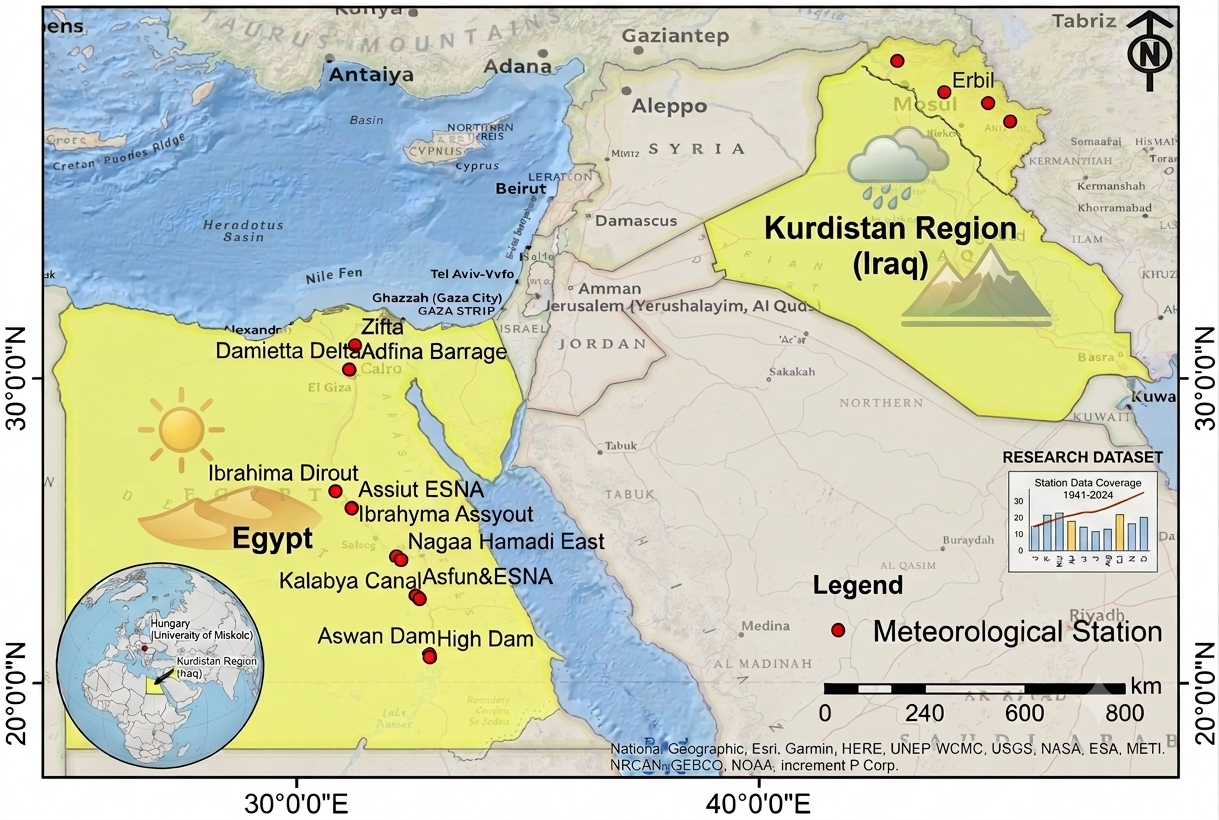
Decoding precipitation regimes and cyclicity across contrasting climate zones using machine learning and transformation techniques: Insights from Egypt and the Kurdistan Region, Iraq
Researchers from the Institute of Water Resources and Environmental Management at the University of Miskolc developed an integrated machine learning and spectral-analysis framework to investigate long-term precipitation variability across two climatically contrasting regions: the Kurdistan Region of northern Iraq and Egypt. The study analyzed monthly precipitation records from 16 meteorological stations covering periods of up to eight decades (1941–2024).
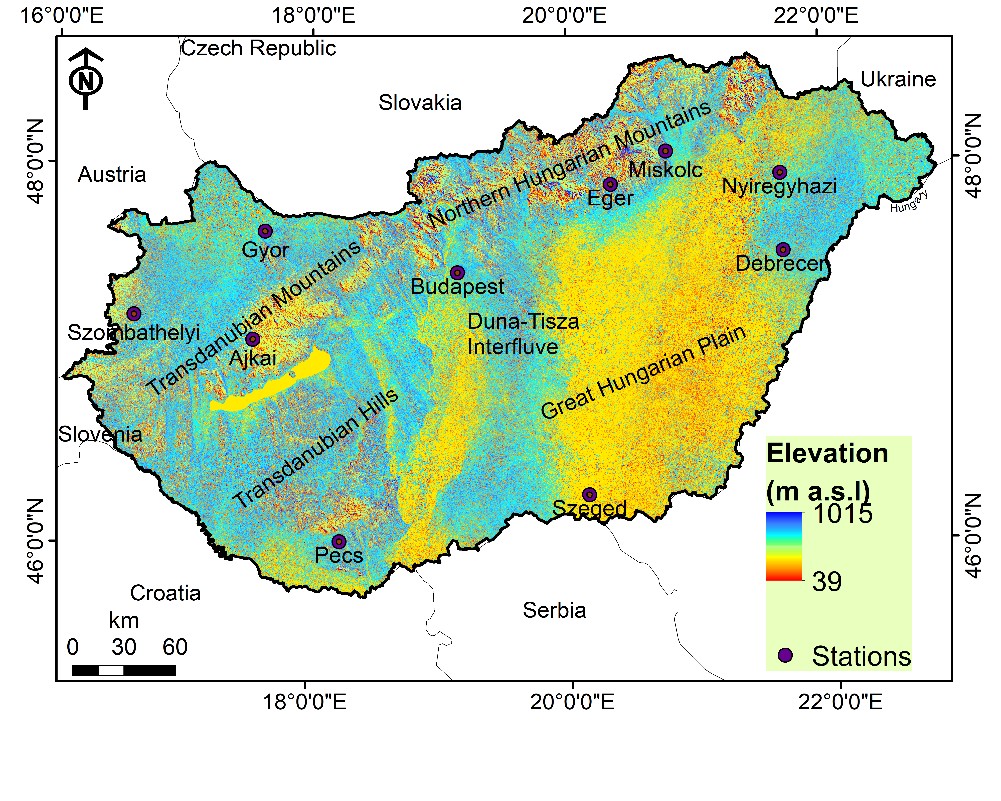
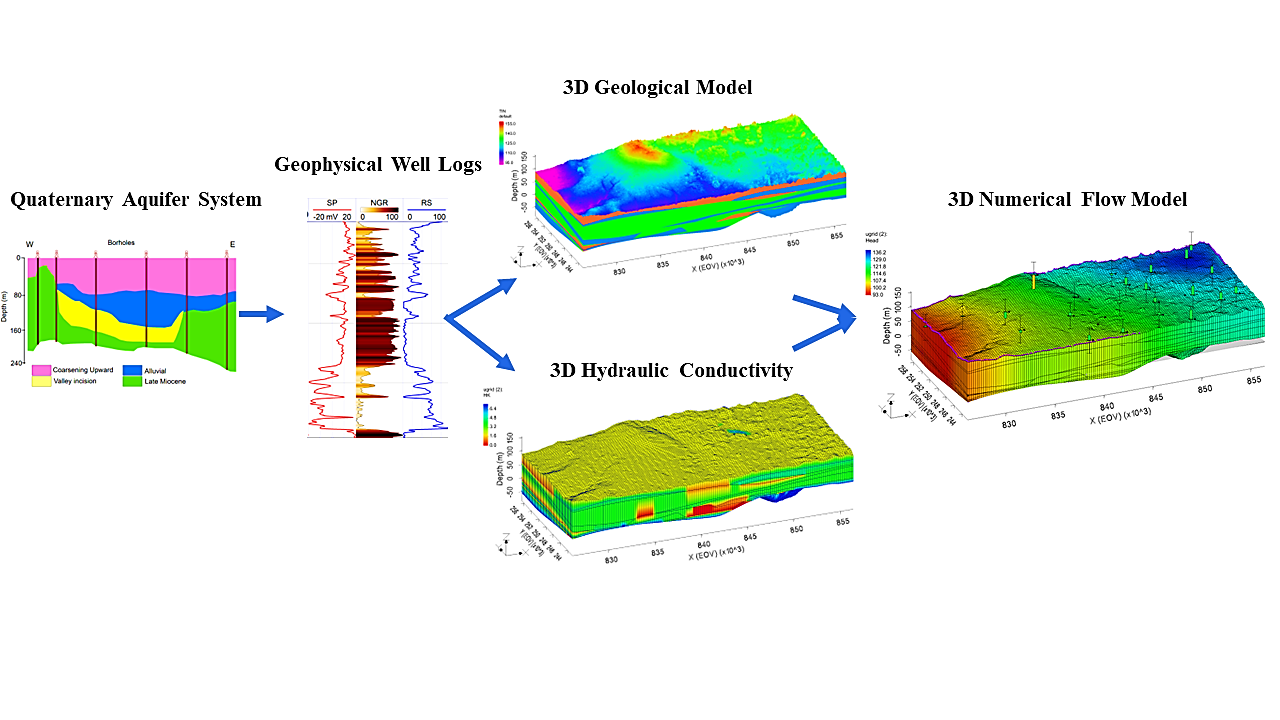
A novel hydrogeophysical framework for developing conceptual site models and simulating groundwater flow conditions in heterogeneous aquifer systems
As part of the Sustainable Development and Technologies Program, this work addresses the challenge of managing groundwater resources in areas where detailed geological information is scarce. Without sufficient data about underground rock formations and water flow patterns, it becomes difficult to make informed decisions about water resource planning and sustainability.
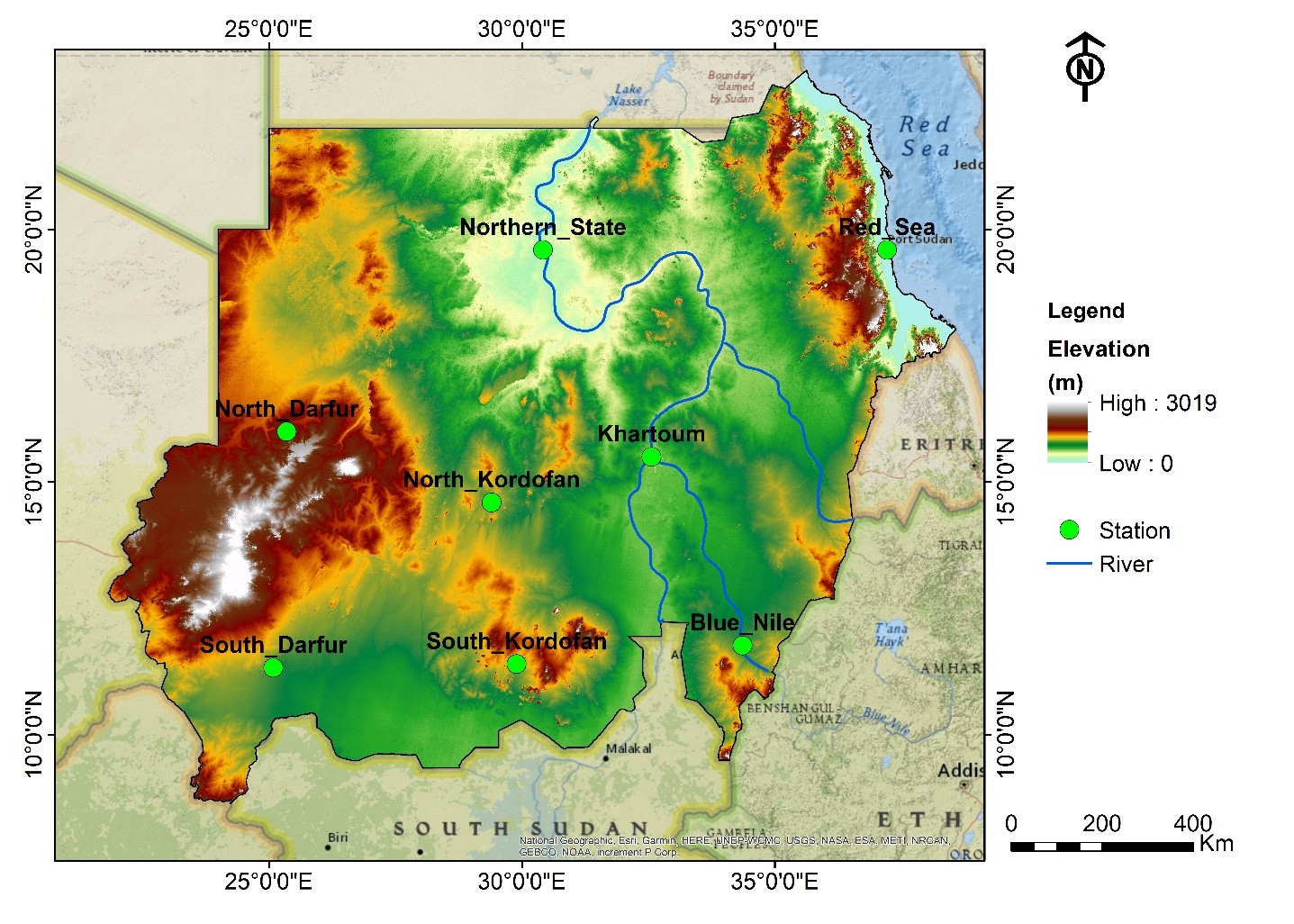
Enhancing Karst Spring Discharge Simulation Through a Hybrid XGBoost–BiLSTM Machine Learning Framework
A new research article published in highly ranked Q1 journal by our researchers, Dr. Mohamed Hamdy Eid, Dr. Attila Kovács, and Professor Péter Szűcs, in Q1 journal (Water). The article, titled “Enhancing Karst Spring Discharge Simulation Through a Hybrid XGBoost–BiLSTM Machine Learning Framework,” addresses a critical challenge in sustainable water resource management: the accurate simulation of karst spring discharge.
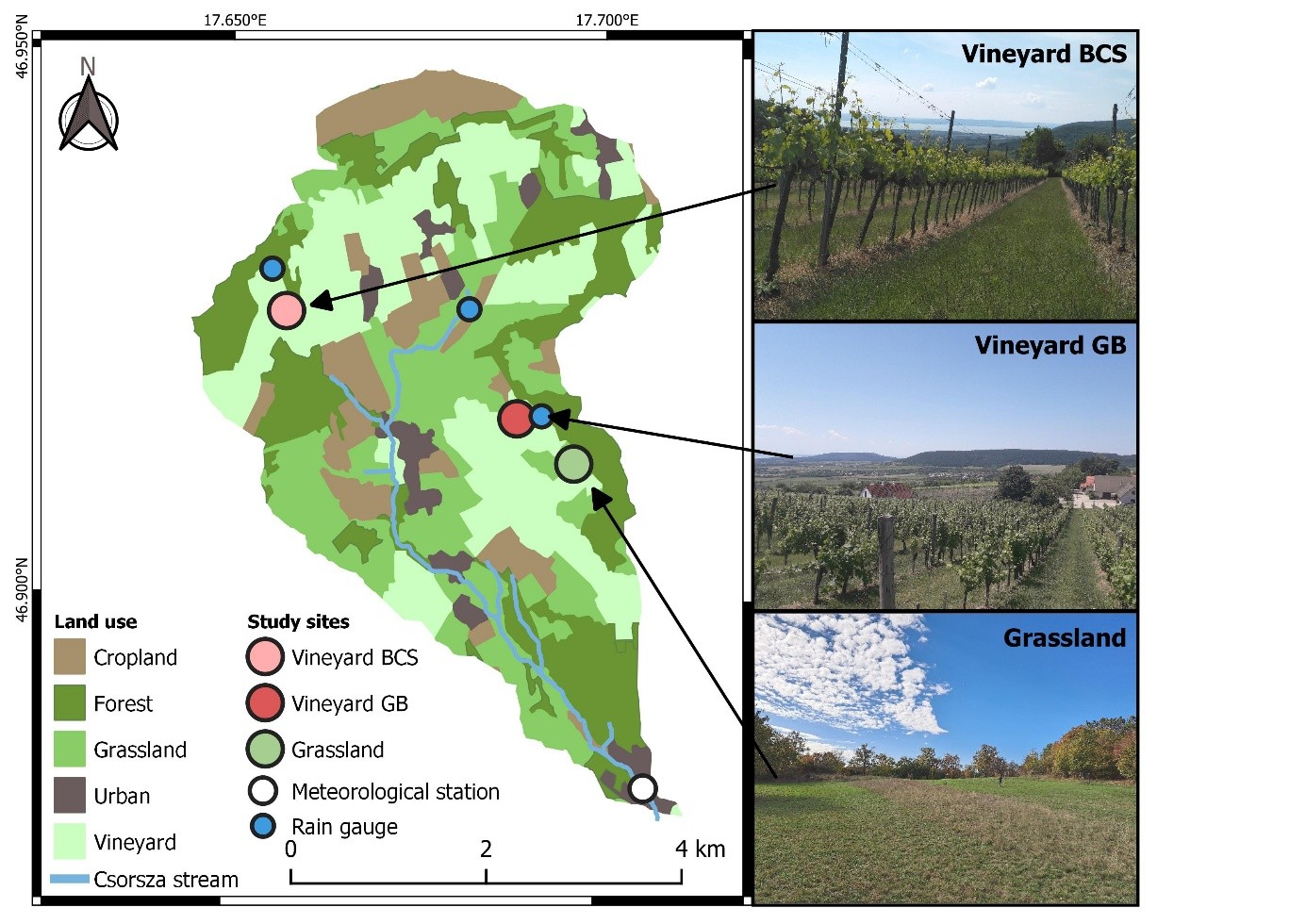
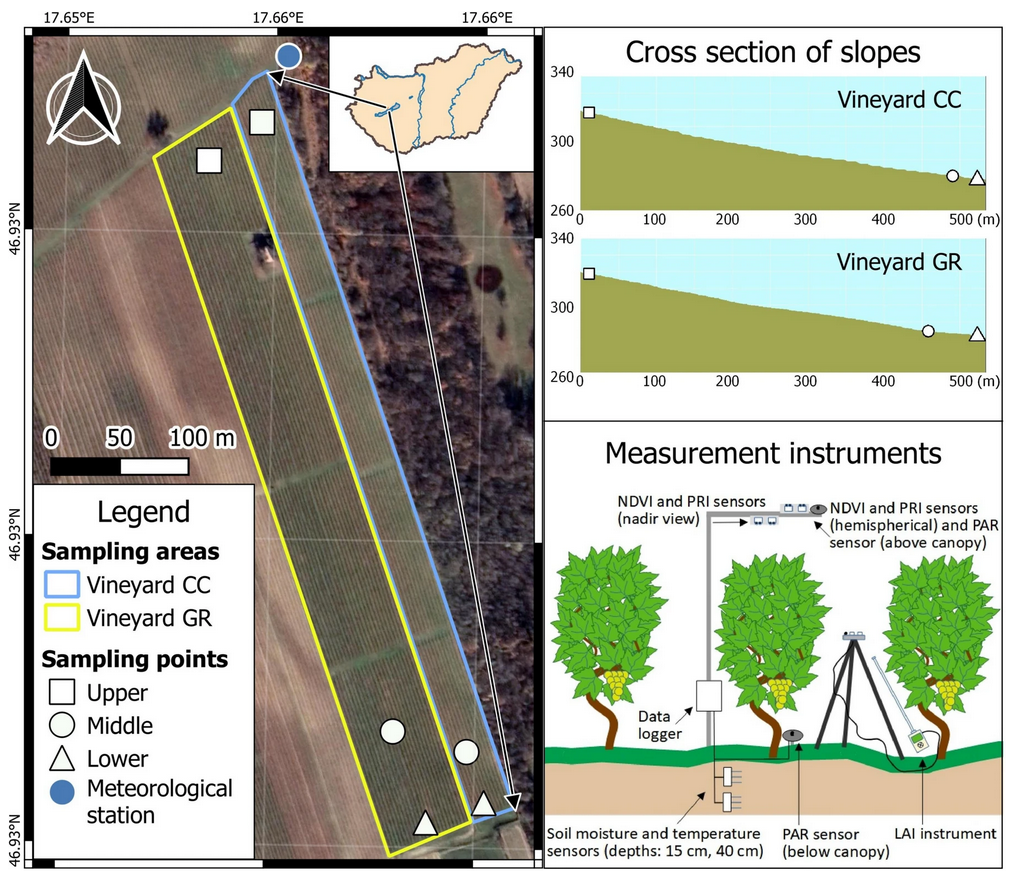
Investigation of grapevine vegetation status using remote sensing data
Continuous monitoring of the health status of vineyards is essential for gaining a deeper understanding of plant physiological processes and for optimizing agricultural management practices.
Researchers from the HUN-REN ATK Institute for Soil Sciences studied the development of vegetation health indices at three research sites within a small catchment area in the Balaton Uplands.
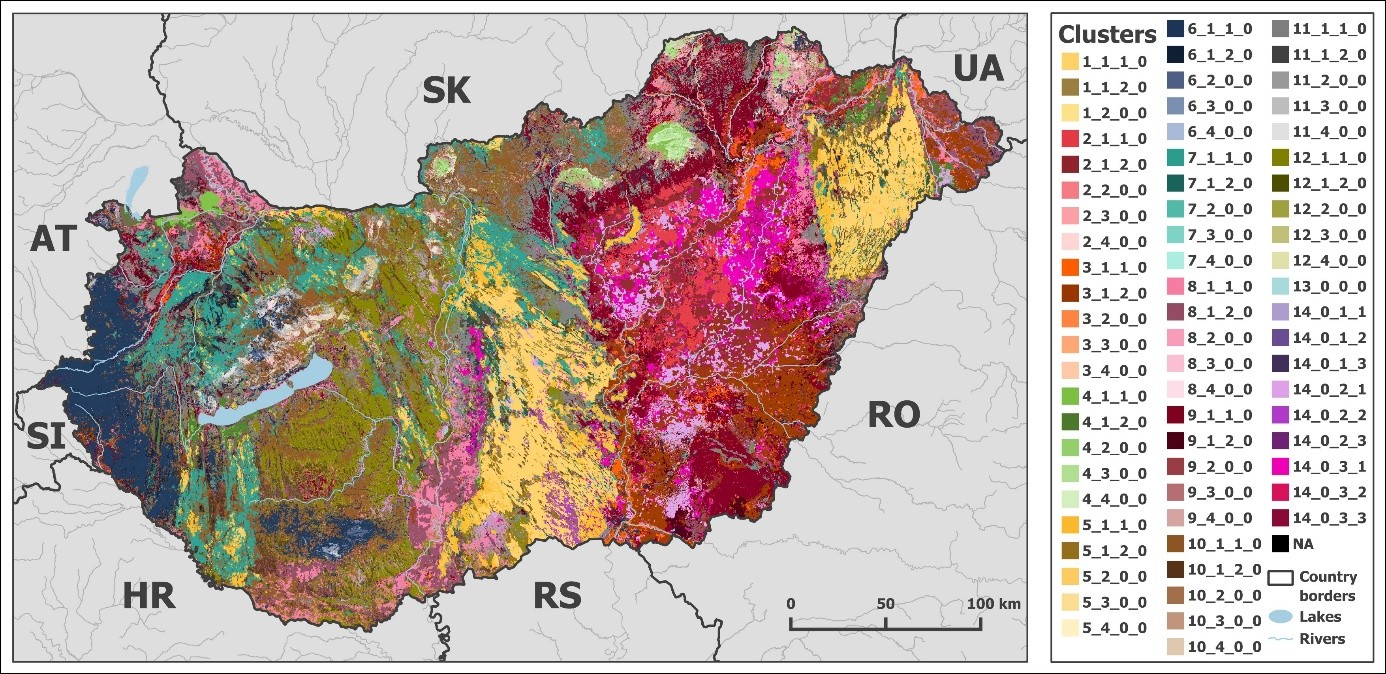
Soil hydrologic groups map – in service of environmental modelling and applications
Researchers with the lead of the Institute for Soil Sciences, HUN-REN Centre for Agricultural Research developed a high-resolution national “soil hydrologic groups” map for Hungary by integrating data-driven clustering with expert rules.

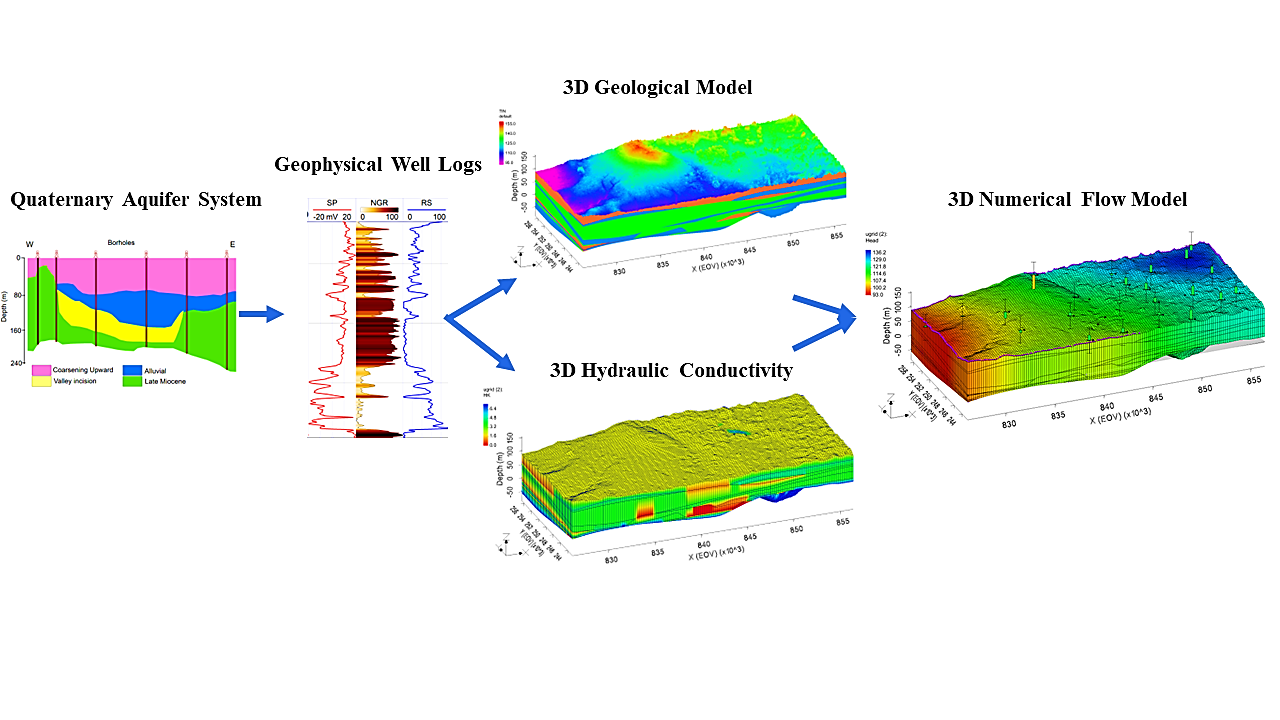
A novel hydrogeophysical framework for developing conceptual site models and simulating groundwater flow conditions in heterogeneous aquifer systems
As part of the Sustainable Development and Technologies Program, this study bridges the gap in groundwater management for data-scarce regions. By integrating the classic Csókás method with modern machine learning, we provide reliable flow models to support sustainable decision-making in complex geological environments.
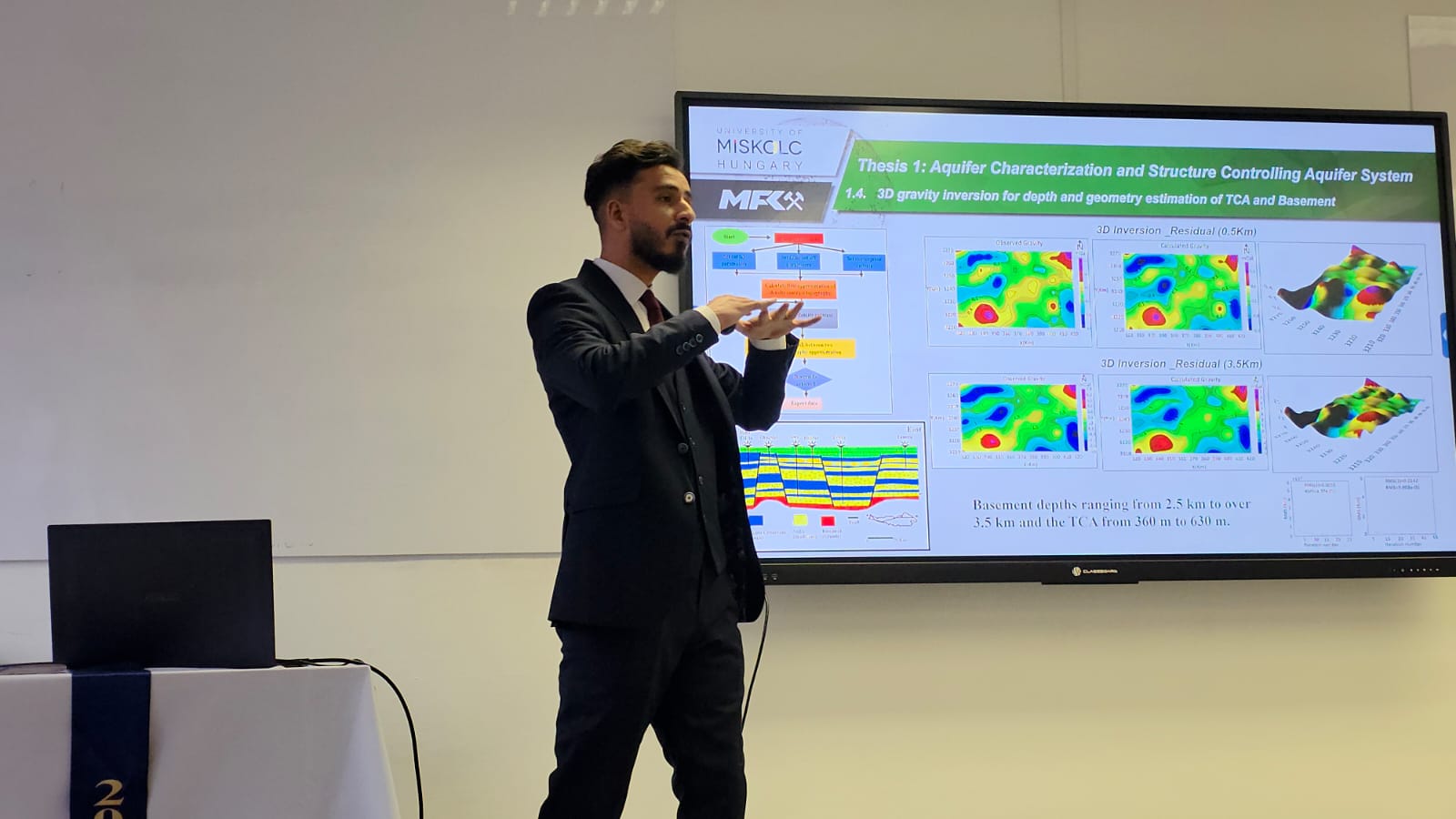
Groundbreaking Research on Aquifer Characterization and Salinization in Siwa Oasis Published in Geoscience Frontiers
A new research article published in highly ranked D1 journal “Geoscience Frontiers” demonstrates how advanced machine learning and geophysical techniques can revolutionize our understanding of groundwater systems in arid environments.
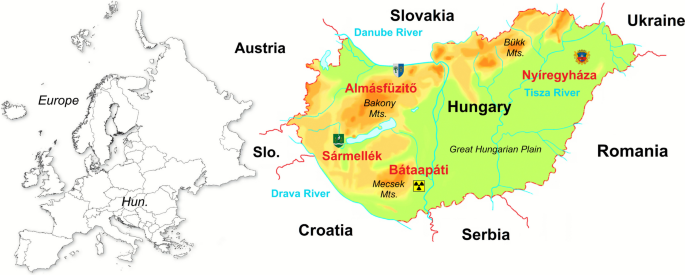
Hyperparameter inversion of engineering geophysical sounding logs for improved characterization of unsaturated porous media
A hyperparameter estimation-based inversion approach for evaluating shallow unsaturated formations is presented. Natural gamma ray intensity, bulk density, neutron porosity, and electrical resistivity borehole logs measured by direct-push probes are jointly inverted for estimating clay and sand volume, air and water content. The inversion algorithm is enhanced through the preliminary application of factor analysis.